Asparagus Pesto Pasta Tangle
Highlighted under: Easy Recipes | Simple Food
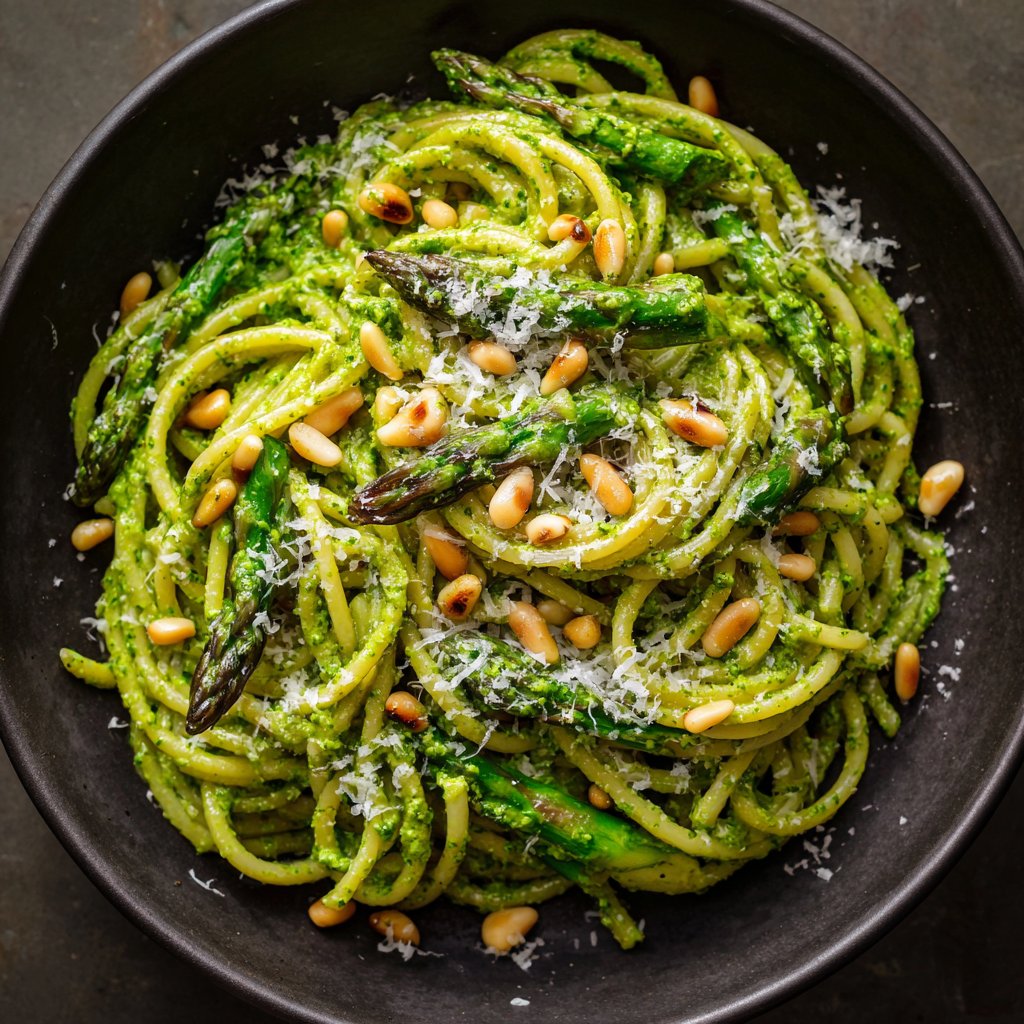
I absolutely love making Asparagus Pesto Pasta Tangle because it never fails to impress with its vibrant colors and fresh flavors. The combination of tender asparagus, rich pesto, and perfectly cooked pasta results in a dish that is both simple and gourmet. It’s one of those recipes I can whip up in no time, yet it always feels special. Plus, it’s a fantastic way to incorporate fresh vegetables into my meals, making it a go-to favorite during asparagus season.
Creating the Asparagus Pesto Pasta Tangle became a delightful experimentation in my kitchen. I started off by roasting the asparagus to deepen its flavor, which made a significant difference compared to just boiling it. The vibrant green color and the slightly crispy texture of the asparagus give a beautiful contrast to the creamy pesto.
As for the pesto, I like to make my own with fresh basil, garlic, and a hint of lemon for brightness. Blending these ingredients with toasted pine nuts brings out a depth of flavor that store-bought versions can't achieve. This dish has quickly become a family favorite!
Why You'll Love This Recipe
- Bright, fresh flavors that scream spring
- Quick to prepare, perfect for weeknight dinners
- A healthy twist on traditional pasta dishes
Cooking the Perfect Pasta
For a classic Asparagus Pesto Pasta Tangle, selecting the right pasta is crucial. I recommend either spaghetti or linguine, as they catch the pesto beautifully. Cook the pasta until it’s al dente, which usually takes about 8-10 minutes, depending on the brand. Don't forget to reserve a bit of pasta water; this starchy liquid can be a lifesaver for achieving the perfect sauce consistency when you combine all the ingredients.
When boiling pasta, ensure your water is heavily salted—this will season the pasta itself and enhance the overall flavor of your dish. A good rule of thumb is to aim for a salt concentration similar to seawater. If your pasta begins to stick together, a quick toss in a tablespoon of olive oil while it cools can help prevent clumping.
Elevating the Asparagus
Roasting the asparagus is an essential step that amplifies its natural sweetness and adds a lovely caramelized texture. Preheating your oven to 400°F (200°C) allows the asparagus to roast evenly, becoming tender with golden edges in just about 10 minutes. Keep an eye on them; you want them to be vibrant green and tender without becoming mushy. If they begin to char too quickly, consider lowering the oven temperature slightly.
For an added flavor twist, feel free to mix in a sprinkle of lemon zest before roasting. This will brighten the dish further and complement the lemon juice in your pesto. If asparagus is unavailable, other vegetables like broccoli or green beans can work well in this dish, just adjust the roasting time accordingly based on their thickness.
Making the Pesto
The key to a rich and creamy pesto lies in using high-quality ingredients. Fresh basil is essential for that aromatic flavor, while the toasted pine nuts add a nutty richness. When making the pesto, don't forget to pulse the ingredients before adding the olive oil; this helps integrate the flavors. If you're in a pinch, substitutions like walnuts or almonds can stand in for pine nuts while introducing their own unique flavors.
For a creamier texture, you can add an extra tablespoon of olive oil after the initial blend. If your pesto appears too thick, gradually incorporate more olive oil until it reaches your desired consistency. Lastly, remember to taste your pesto before mixing it with the pasta, adjusting salt and pepper as needed to ensure the flavors are well balanced.
Ingredients
For the Pasta and Asparagus
- 300g spaghetti or linguine
- 250g fresh asparagus, trimmed and cut into 2-inch pieces
- Salt, to taste
- Olive oil, for drizzling
For the Pesto
- 2 cups fresh basil leaves
- 2 cloves garlic
- 1/4 cup pine nuts, toasted
- 1/2 cup grated Parmesan cheese
- 1/2 cup olive oil
- Juice of 1 lemon
- Salt and pepper, to taste
Instructions
Prepare the Pasta
Cook the spaghetti or linguine according to package instructions in salted boiling water until al dente. Drain and set aside, reserving a small cup of pasta water.
Roast the Asparagus
Preheat your oven to 400°F (200°C). Spread the asparagus on a baking sheet, drizzle with olive oil, and season with salt. Roast for about 10 minutes or until tender and slightly caramelized.
Make the Pesto
In a food processor, combine the basil, garlic, toasted pine nuts, and Parmesan. Pulse until finely chopped. With the processor running, slowly add the olive oil until the mixture is smooth. Add lemon juice, salt, and pepper to taste.
Combine and Serve
In a large mixing bowl, combine the cooked pasta, roasted asparagus, and pesto. If the mixture seems dry, add a bit of reserved pasta water. Toss everything together until well coated and serve hot.
Pro Tips
- For a nut-free version, feel free to substitute sunflower seeds in the pesto. Additionally, the dish pairs wonderfully with grilled chicken or shrimp for added protein.
Storage Tips
Leftover Asparagus Pesto Pasta Tangle can be stored in an airtight container in the refrigerator for up to three days. To reheat, simply add a splash of water to the pasta and warm it in a skillet over low heat, stirring until heated through. This will help revive the sauce’s creamy consistency without making it too dry.
If you want to make the pesto ahead of time, you can blend it and store it in the refrigerator for up to a week. To prevent browning, pour a thin layer of olive oil on top of the pesto before sealing the container. You can also freeze pesto in ice cube trays for convenient portioning; just pop them into your pasta whenever you need a quick meal.
Serving Suggestions
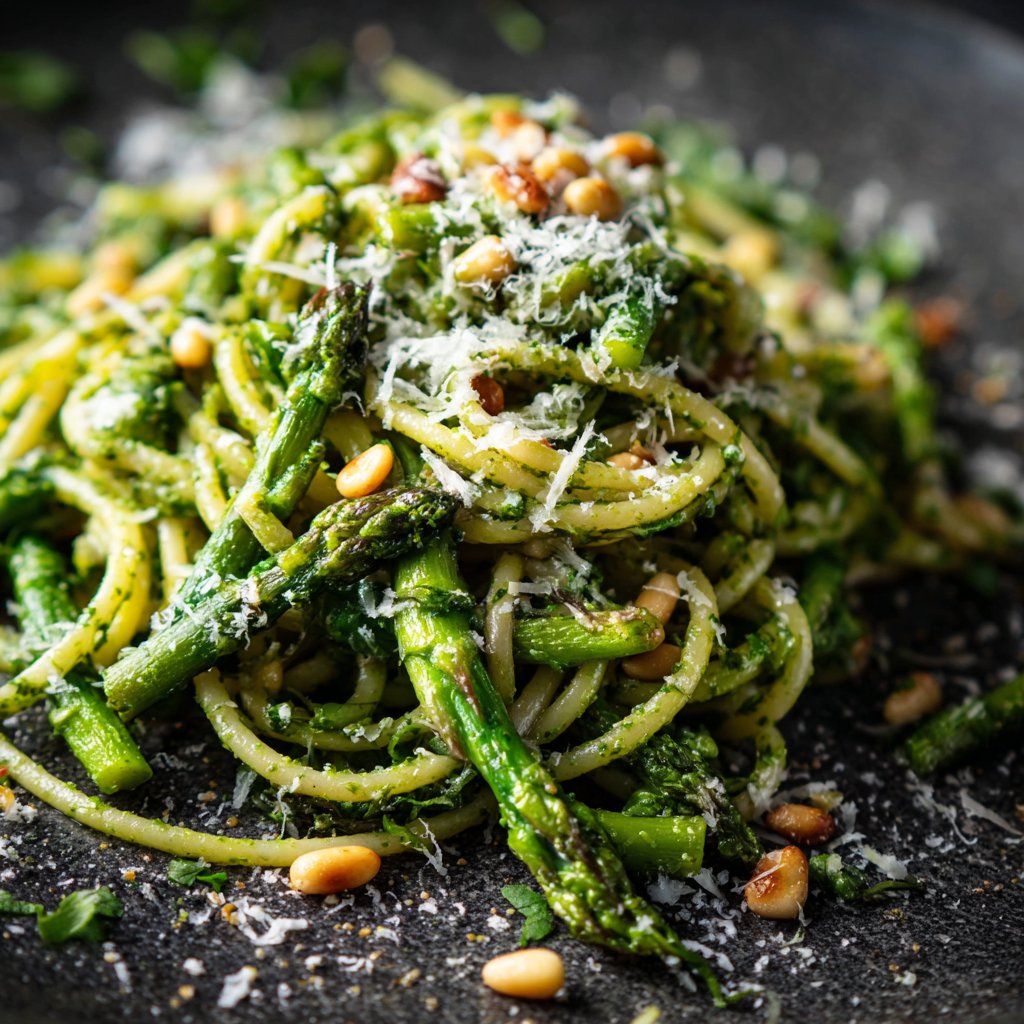
Consider garnishing your finished dish with additional Parmesan cheese and a squeeze of fresh lemon juice. This bright hint of acidity elevates the flavors and adds an appealing sparkle to the presentation. For texture, a sprinkle of toasted pine nuts on top can offer a delightful crunch that complements the soft pasta and asparagus perfectly.
If you're looking to serve this dish as a more substantial meal, consider pairing it with a protein such as grilled chicken or shrimp. These additions can turn your pasta tangle into a satisfying main course, while still keeping the vibrant freshness intact. I often enjoy it with a side salad for a complete, wholesome dinner.
Variations to Try
Feel free to customize your Asparagus Pesto Pasta Tangle with seasonal vegetables. In the summer, adding cherry tomatoes or zucchini can introduce new flavors and colors. Simply roast them alongside the asparagus for a unified dish. For a spicy kick, toss in a pinch of red pepper flakes into the pesto during blending.
If you're looking for a heartier version, consider swapping out traditional pasta for whole wheat or chickpea pasta, enhancing both texture and nutrition. Experimenting with different pesto variations, such as sun-dried tomato or arugula pesto, can bring a fresh twist to this dish that keeps it exciting and versatile, season after season.
Questions About Recipes
→ Can I use store-bought pesto instead of homemade?
Absolutely! Store-bought pesto saves time, but making your own allows for customization of flavors.
→ How do I store leftovers?
Store leftovers in an airtight container in the fridge for up to 3 days. Reheat gently on the stovetop or in the microwave.
→ Can I use frozen asparagus?
Yes, but fresh asparagus will yield better flavor and texture. If using frozen, just thaw and drain well.
→ What other vegetables can I add?
Feel free to add cherry tomatoes, spinach, or even peas to the mix for added nutrition and flavor!
Asparagus Pesto Pasta Tangle
Created by: The Chefkylecooks Team
Recipe Type: Easy Recipes | Simple Food
Skill Level: Intermediate
Final Quantity: 4 servings
What You'll Need
For the Pasta and Asparagus
- 300g spaghetti or linguine
- 250g fresh asparagus, trimmed and cut into 2-inch pieces
- Salt, to taste
- Olive oil, for drizzling
For the Pesto
- 2 cups fresh basil leaves
- 2 cloves garlic
- 1/4 cup pine nuts, toasted
- 1/2 cup grated Parmesan cheese
- 1/2 cup olive oil
- Juice of 1 lemon
- Salt and pepper, to taste
How-To Steps
Cook the spaghetti or linguine according to package instructions in salted boiling water until al dente. Drain and set aside, reserving a small cup of pasta water.
Preheat your oven to 400°F (200°C). Spread the asparagus on a baking sheet, drizzle with olive oil, and season with salt. Roast for about 10 minutes or until tender and slightly caramelized.
In a food processor, combine the basil, garlic, toasted pine nuts, and Parmesan. Pulse until finely chopped. With the processor running, slowly add the olive oil until the mixture is smooth. Add lemon juice, salt, and pepper to taste.
In a large mixing bowl, combine the cooked pasta, roasted asparagus, and pesto. If the mixture seems dry, add a bit of reserved pasta water. Toss everything together until well coated and serve hot.
Extra Tips
- For a nut-free version, feel free to substitute sunflower seeds in the pesto. Additionally, the dish pairs wonderfully with grilled chicken or shrimp for added protein.
Nutritional Breakdown (Per Serving)
- Calories: 380 kcal
- Total Fat: 26g
- Saturated Fat: 15g
- Cholesterol: 195mg
- Sodium: 85mg
- Total Carbohydrates: 32g
- Dietary Fiber: 3g
- Sugars: 24g
- Protein: 6g