Floral Buttercream Technique Basics
Highlighted under: Homemade Desserts | Cakes & Cookies
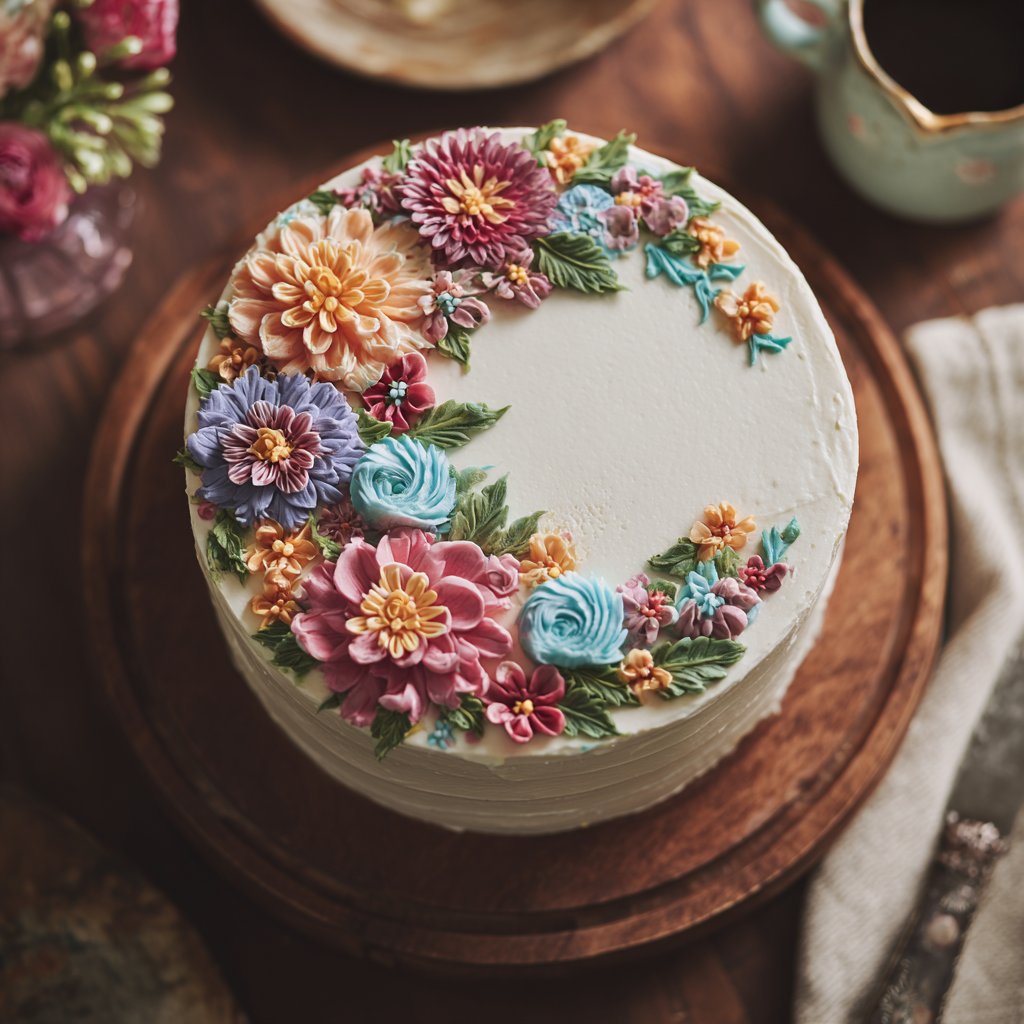
I absolutely love exploring the delicate art of floral buttercream decoration. Every time I whip up the vibrant colors and fluffy textures, it feels like I’m painting on a delicious canvas. The beauty of this technique lies not only in the stunning designs but also in how satisfying it is to create intricate flowers from simple buttercream. With practice, I’ve learned the nuances of pressure and angle that make all the difference, ensuring my blooms are as lifelike as they are tasty. Join me as we dive into the essentials of mastering this skill.
As I began my journey into floral buttercream decoration, I was both excited and nervous about the intricacies involved. The first time I piped a rose, I remember holding my breath, hoping it would turn out as beautiful as I envisioned. I quickly learned that the key to a perfect flower is the right consistency of buttercream—smooth but firm. This allows the petals to hold their shape while still being soft enough to create a natural look.
While practicing, I discovered that using multiple colors can enhance the depth of your flowers. I often layer different shades of similar colors to create a more realistic bloom. It’s a small detail, but it truly elevates the overall appearance. I encourage you to experiment with various colors and piping tips; the possibilities are endless, and each attempt gets you closer to mastering this beautiful art!
Why You'll Love This Technique
- Creates stunning, lifelike flowers for any cake
- Allows for endless creativity with colors and designs
- Perfect for impressing guests at special occasions
Essential Techniques for Success
Mastering floral buttercream decoration requires practice in controlling your piping bag. Hold the bag steady at a 45-degree angle, applying consistent pressure as you pipe. This technique allows for even, controlled movements, crucial for creating lifelike flowers. Start with simple designs and gradually progress to more detailed blooms. Practicing on parchment paper before decorating a cake helps you build confidence and refine your skills without the pressure of a finished product.
Another important aspect is understanding the drying time of your buttercream flowers. Allow piped flowers to sit at room temperature for at least an hour or until they form a slight crust. This helps them hold their shape during the decorating process and can make a significant difference in the final look. If you're short on time, placing them in the refrigerator for a quicker set is also an option but be mindful of humidity, as it can affect buttercream stability.
Choosing the Right Ingredients
The quality of your ingredients directly impacts the final flavor and texture of the buttercream. Use unsalted butter for a rich, creamy taste that allows you to control the salt content better. If you want a lighter, less sweet frosting, consider substituting some powdered sugar with milk powder, which creates a more balanced flavor profile. Always sift the powdered sugar before use to prevent lumps, ensuring a smooth, fluffy buttercream.
When selecting food coloring, opt for gel-based colors for a more vibrant hue that doesn’t alter the consistency of your buttercream. Liquid colors can thin out the frosting, affecting its ability to hold shape. Start with a small amount of gel color, as it is more concentrated, and gradually add until you achieve the desired shade. This approach prevents overpowering the buttercream’s flavor with excessive coloring.
Ingredients
Gather your supplies before starting, as this will make the process smoother and more enjoyable.
Ingredients for Buttercream
- 1 cup unsalted butter, softened
- 4 cups powdered sugar
- 1/4 cup heavy cream
- 1 teaspoon vanilla extract
- Food coloring (various colors)
Make sure to use high-quality ingredients for the best flavor and texture.
Instructions
Preparation is key! Before you begin, ensure your workspace is clean and all tools are at hand.
Prepare the Buttercream
In a mixing bowl, beat the softened butter until creamy. Gradually add powdered sugar, mixing well to combine. Pour in the heavy cream and vanilla extract, and beat until the buttercream is light and fluffy. Adjust the consistency by adding more sugar for thickness or cream for softness as needed.
Color Your Buttercream
Divide the buttercream into separate bowls, depending on how many colors you want to create. Add food coloring to each bowl a little at a time until you achieve the desired shades. Mix well to ensure the color is evenly distributed.
Pipe the Flowers
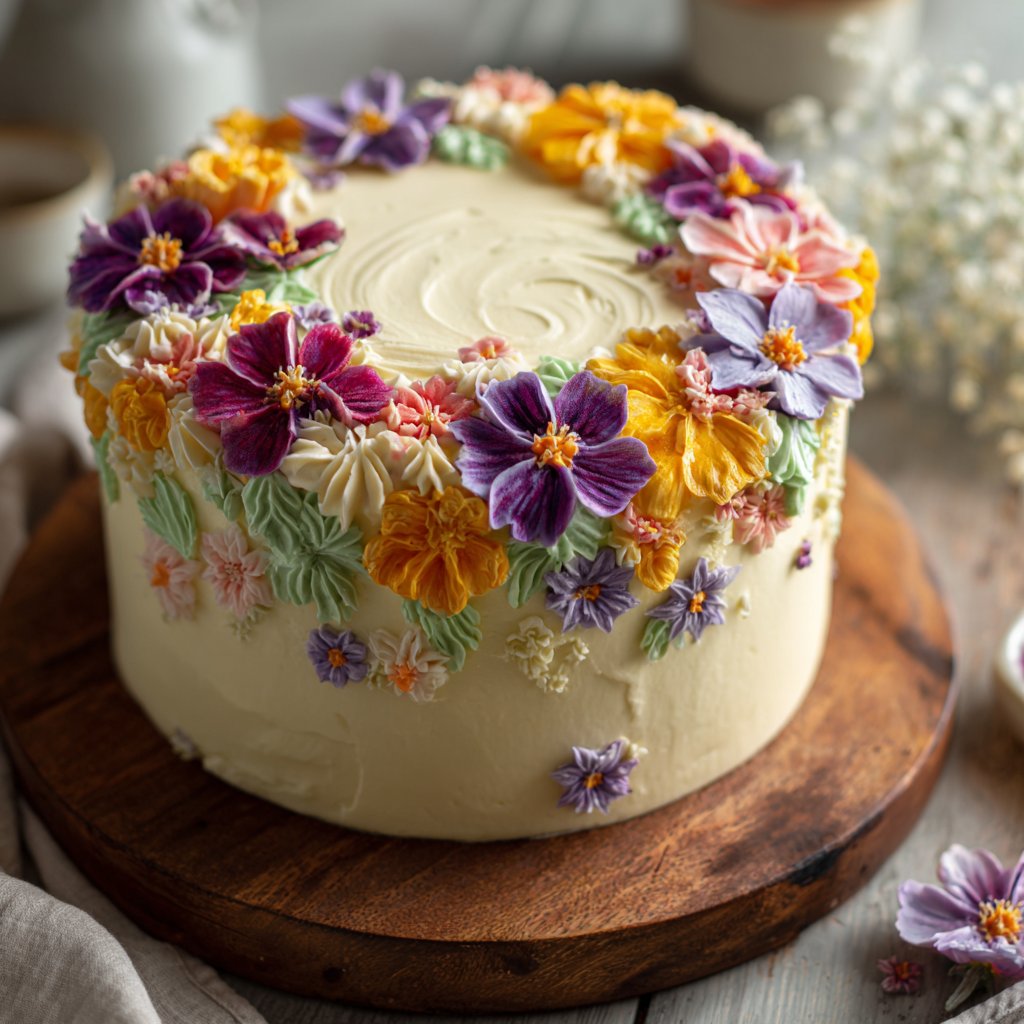
Using different piping tips, practice piping flowers on parchment paper. Start with simple shapes like rosettes and then move on to more complex flowers like dahlias and peonies. Don’t be afraid to take your time and make adjustments as you go.
Practice makes perfect! Don't be discouraged if your first attempts don't come out as expected.
Pro Tips
- Always refrigerate your buttercream if it begins to get too soft
- this will help it hold its shape while piping.
Storage and Make-Ahead Tips
Buttercream can be made in advance and stored in an airtight container in the refrigerator for up to a week. To keep it fresh, make sure to press a piece of plastic wrap directly onto the surface before sealing the container. When you're ready to use it, bring it to room temperature and rewhip to restore its fluffy texture. If it's too thick, add a little cream to loosen it up while mixing.
If you're planning to decorate a cake later, you can freeze buttercream for up to three months. To freeze, scoop it into a freezer-safe container, ensuring there’s minimal air inside. When thawing, place it in the refrigerator overnight and then bring it to room temperature before using. Rewhipping after thawing can help regain its creamy consistency, making it as good as freshly made.
Troubleshooting Common Issues
If your buttercream appears too soft and begins to slide off your cake, it might be too warm or contain too much cream. To fix this, chill the buttercream slightly and then rewhip it to firm up. Alternatively, you can add a bit more powdered sugar, a tablespoon at a time, until it reaches the right consistency for piping. Remember to mix well after each addition to check the texture.
In contrast, if your buttercream is too stiff to pipe, simply add a few drops of heavy cream or milk and mix until smooth. This adjustment can help you regain the desired consistency without compromising the buttercream's structure. When piping, keep a small bowl of warm water handy; dipping your piping tips can also help manage stiffness during decoration.
Questions About Recipes
→ Can I make buttercream in advance?
Yes, you can prepare buttercream a few days ahead and store it in the refrigerator. Just re-whip it before use.
→ What type of food coloring is best for buttercream?
Gel food coloring is recommended as it provides vibrant colors without changing the consistency of the buttercream.
→ How do I fix grainy buttercream?
If your buttercream is grainy, continue to beat it for a few more minutes until it smooths out, or add a little more heavy cream.
→ What is the best way to store decorated cakes?
Store decorated cakes in a cool place and cover them lightly. If you need to refrigerate, use a cake box to prevent dryness.
Floral Buttercream Technique Basics
Created by: The Chefkylecooks Team
Recipe Type: Homemade Desserts | Cakes & Cookies
Skill Level: Intermediate
Final Quantity: 1 batch
What You'll Need
Ingredients for Buttercream
- 1 cup unsalted butter, softened
- 4 cups powdered sugar
- 1/4 cup heavy cream
- 1 teaspoon vanilla extract
- Food coloring (various colors)
How-To Steps
In a mixing bowl, beat the softened butter until creamy. Gradually add powdered sugar, mixing well to combine. Pour in the heavy cream and vanilla extract, and beat until the buttercream is light and fluffy. Adjust the consistency by adding more sugar for thickness or cream for softness as needed.
Divide the buttercream into separate bowls, depending on how many colors you want to create. Add food coloring to each bowl a little at a time until you achieve the desired shades. Mix well to ensure the color is evenly distributed.
Using different piping tips, practice piping flowers on parchment paper. Start with simple shapes like rosettes and then move on to more complex flowers like dahlias and peonies. Don’t be afraid to take your time and make adjustments as you go.
Extra Tips
- Always refrigerate your buttercream if it begins to get too soft
- this will help it hold its shape while piping.
Nutritional Breakdown (Per Serving)
- Calories: 350 kcal
- Total Fat: 22g
- Saturated Fat: 14g
- Cholesterol: 55mg
- Sodium: 20mg
- Total Carbohydrates: 50g
- Dietary Fiber: 0g
- Sugars: 48g
- Protein: 1g