Dandelion and Grains Pilaf
Highlighted under: International Food | World Cuisine
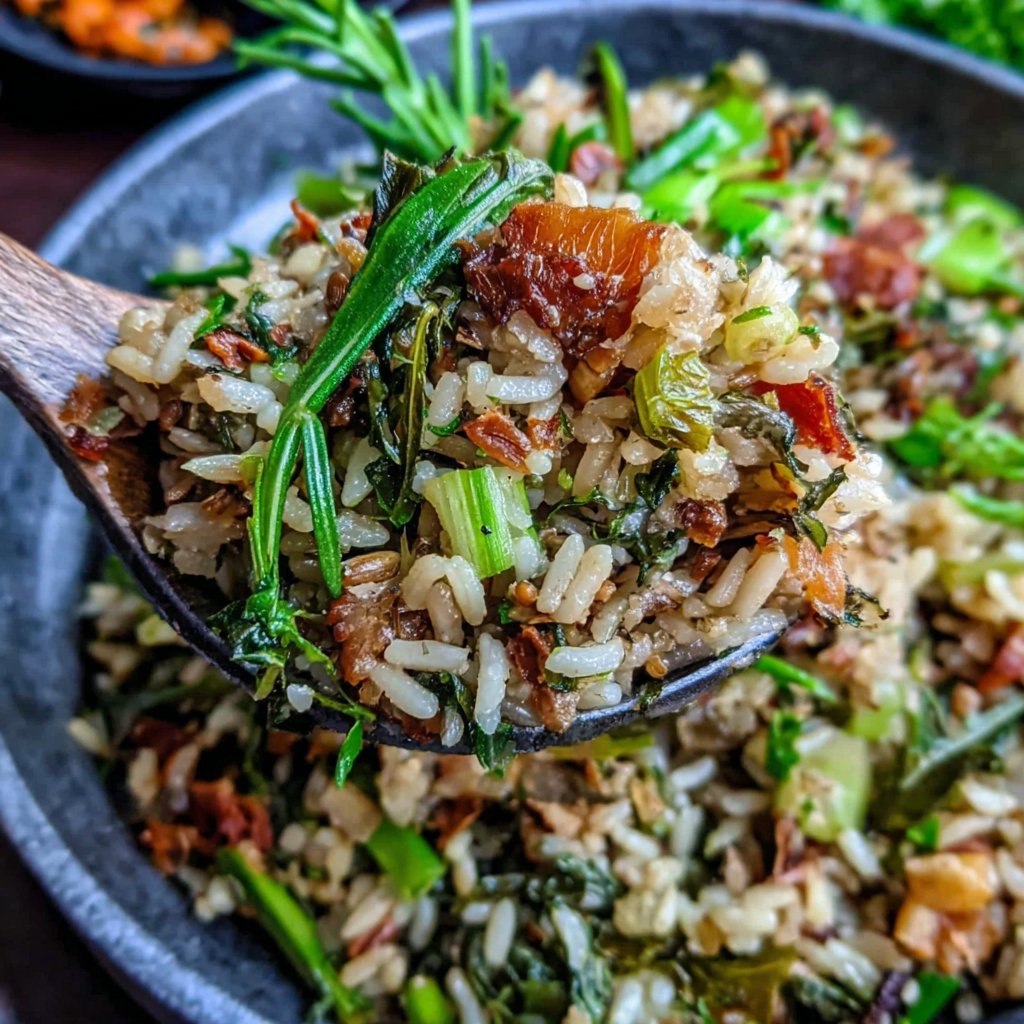
I’ve always been on the lookout for unique dishes that bring something special to the table, and this Dandelion and Grains Pilaf has truly captured my heart. It's a vibrant blend of wholesome grains and the slightly bitter undertones of dandelion greens, creating a beautifully balanced dish. Not only is it nutritious, but it also showcases the versatility of dandelion leaves, which can often be overlooked! I can’t wait to share this recipe that combines health and flavor in a delightful way.
When I first tried dandelion greens, I was amazed by their peppery flavor, which adds an exciting twist to traditional grain dishes. I decided to incorporate them into a pilaf and was thrilled with the results. The grains provide a fantastic base, while the dandelion adds a unique character that invigorates the palate. Plus, it's a great way to use these nutritious greens!
Over the years, I’ve learned that to properly balance the bitterness of the dandelion leaves, including a splash of lemon juice and a touch of salt while cooking makes all the difference. It’s really this little tip that transformed my pilaf into a favorite family dish!
Why You Will Love This Recipe
- Unique blend of flavors with earthy grains and bright dandelion greens
- Nutrient-packed, making it a great option for health-conscious eaters
- Versatile dish that can be served warm or cold, perfect for any occasion
Understanding Dandelion Greens
Dandelion greens are often underestimated, yet they bring a unique flavor profile to this pilaf. Their slight bitterness balances beautifully with the nutty quinoa, making for a dish that is both intriguing and satisfying. When selecting dandelion greens, look for young, tender leaves; these offer a milder taste and are less fibrous, enhancing the overall texture of the pilaf. If you can’t find fresh dandelion greens, consider using arugula or spinach as substitutes, although they will change the flavor slightly.
In addition to their flavor, dandelion greens are packed with nutrients, including vitamins A, C, and K, as well as calcium and iron. This makes the pilaf not just a meal but a nutrient-dense option for those looking to boost their health. Incorporating these greens into your diet is a delicious way to enjoy their benefits while also supporting local agriculture, as dandelions often grow wild in gardens and parks.
Perfecting Your Pilaf Technique
One of the keys to a successful pilaf lies in how you cook the quinoa. Toasting the rinsed quinoa in olive oil before adding the broth helps to enhance its natural flavors, giving it a deeper and nuttier taste. Make sure to stir the quinoa often during these initial minutes to avoid any sticking. You want it to shimmer, not brown, so keep the heat at medium for optimal results.
When cooking the quinoa, ensure the pot is covered properly. This traps steam and allows the grains to cook evenly. If you notice that the quinoa isn’t fluffy enough after simmering, try letting it rest with the lid on longer; sometimes, this extra time can make all the difference when achieving that light, airy texture.
Serving Suggestions and Variations
This pilaf is incredibly versatile; enjoy it warm as a side dish or let it cool to serve as a refreshing salad. Consider adding roasted vegetables or chickpeas for additional texture and flavor, making it a filling main course. I love topping my pilaf with a sprinkle of feta cheese or nuts for an added crunch, which pairs wonderfully with the dandelion greens.
If you wish to make this dish ahead of time, prepare it as directed, but store the dandelion greens separately. Add them just before serving to maintain their vibrant color and nutritional properties. The pilaf can be stored in an airtight container in the fridge for up to four days, making it a fantastic option for meal prep or easy lunches.
Ingredients
Dandelion and Grains Pilaf Ingredients
- 1 cup quinoa, rinsed
- 2 cups vegetable broth
- 2 cups dandelion greens, chopped
- 1 small onion, diced
- 2 garlic cloves, minced
- 1 tablespoon olive oil
- 1 teaspoon lemon zest
- Salt and pepper to taste
Instructions
Sauté Aromatics
In a large pot, heat the olive oil over medium heat. Add the diced onion and sauté until translucent, about 5 minutes. Stir in the minced garlic and cook for an additional minute, until fragrant.
Cook Quinoa
Add the rinsed quinoa to the pot and toast for 2 minutes, stirring frequently. Pour in the vegetable broth and bring to a boil. Once boiling, reduce the heat to low, cover, and let it simmer for about 15 minutes.
Add Dandelion Greens
Once the quinoa is cooked and the liquid is absorbed, gently fold in the chopped dandelion greens and lemon zest. Season with salt and pepper to taste, then cover and let it sit for another 5 minutes.
Serve
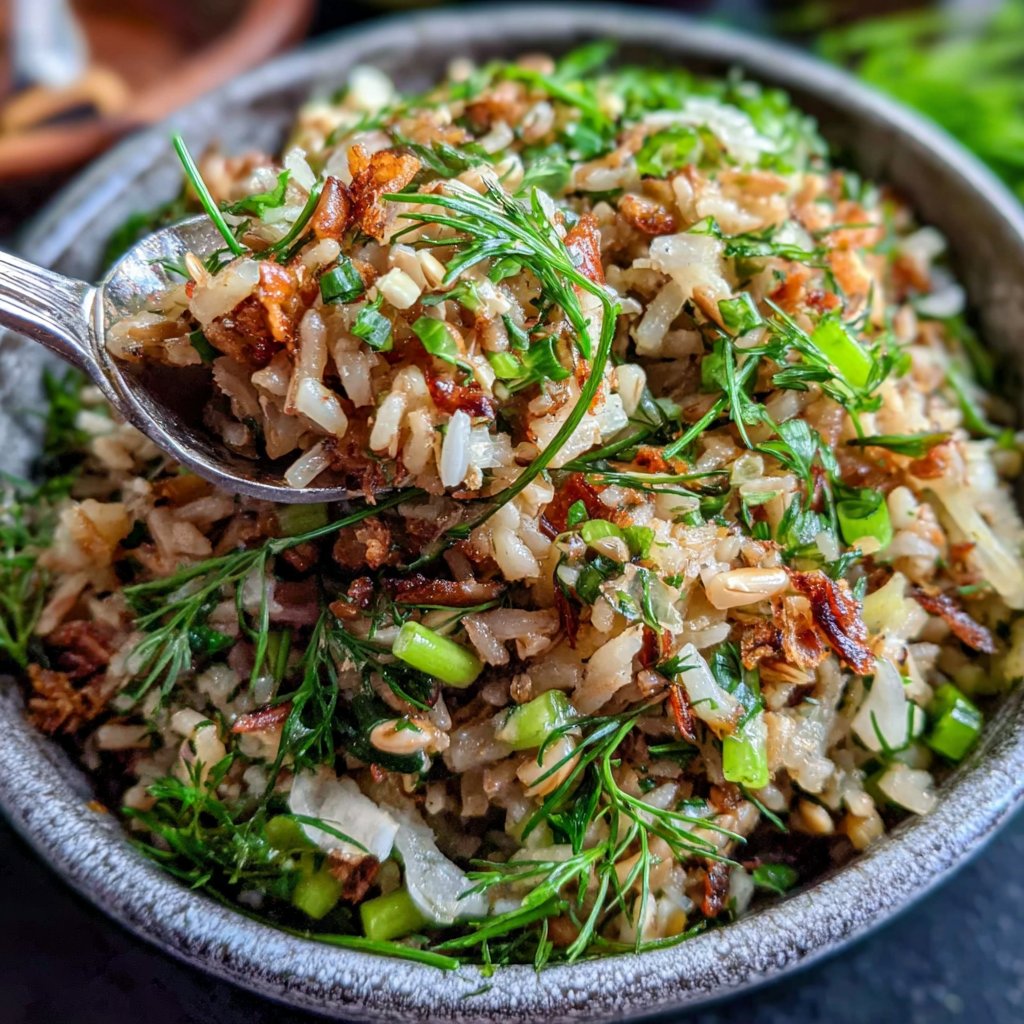
Fluff the pilaf with a fork before serving. Enjoy it warm as a hearty side or a light main dish!
Pro Tips
- For a richer flavor, consider adding nuts or dried fruits like cranberries or apricots to the pilaf before serving. Toasted pine nuts also add a wonderful crunch!
Ingredient Substitutions
While quinoa is gluten-free and nutrient-rich, you can swap it with farro, brown rice, or even couscous, depending on your dietary needs or what you have on hand. Keep in mind that different grains may require adjustments in cooking times and liquid ratios. For example, farro generally needs more liquid and a longer cooking time than quinoa.
If you're looking for a way to add protein to your pilaf, consider incorporating white beans or lentils. These legumes not only increase the dish's heartiness but also contribute additional fiber and nutrients, making it even more satisfying.
Troubleshooting Tips
If your pilaf turns out too watery, it may be an indication of using too much broth or not allowing enough time for the grain to absorb the liquid. Next time, check the quinoa’s cooking time, or simply drain off any excess liquid before serving. Alternatively, simmer on low heat with the lid off for a few extra minutes to help it thicken.
Should the dandelion greens overpower the dish, consider reducing the amount you add. Alternatively, balancing their bitterness with a squeeze of fresh lemon juice or adding a pinch of sugar can help tone down their strong flavor without losing the essence of the dish.
Storage and Reheating
Store any leftover pilaf in an airtight container in the refrigerator for up to four days. To reheat, simply warm it in a saucepan over medium heat with a splash of vegetable broth or water to prevent it from drying out. Stir occasionally, and it should come back to life within 5–7 minutes.
For longer storage, consider freezing the pilaf. However, it's best to freeze it without the dandelion greens to maintain their texture. When ready to enjoy again, thaw it in the fridge overnight and reheat as directed. This way, you can enjoy a nutritious meal with minimal effort even on busy days!
Questions About Recipes
→ Can I use other types of greens instead of dandelion?
Yes, you can substitute dandelion greens with other leafy greens such as kale or spinach, though the flavor will vary.
→ Is this pilaf gluten-free?
Absolutely! The recipe uses quinoa, which is naturally gluten-free.
→ How can I store leftovers?
Store any leftovers in an airtight container in the refrigerator for up to 3 days. Reheat before serving.
→ Can I make this pilaf in advance?
Yes, you can prepare the pilaf a day ahead. Just reheat it with a splash of vegetable broth to keep it moist.
Dandelion and Grains Pilaf
Created by: The Chefkylecooks Team
Recipe Type: International Food | World Cuisine
Skill Level: Intermediate
Final Quantity: 4 servings
What You'll Need
Dandelion and Grains Pilaf Ingredients
- 1 cup quinoa, rinsed
- 2 cups vegetable broth
- 2 cups dandelion greens, chopped
- 1 small onion, diced
- 2 garlic cloves, minced
- 1 tablespoon olive oil
- 1 teaspoon lemon zest
- Salt and pepper to taste
How-To Steps
In a large pot, heat the olive oil over medium heat. Add the diced onion and sauté until translucent, about 5 minutes. Stir in the minced garlic and cook for an additional minute, until fragrant.
Add the rinsed quinoa to the pot and toast for 2 minutes, stirring frequently. Pour in the vegetable broth and bring to a boil. Once boiling, reduce the heat to low, cover, and let it simmer for about 15 minutes.
Once the quinoa is cooked and the liquid is absorbed, gently fold in the chopped dandelion greens and lemon zest. Season with salt and pepper to taste, then cover and let it sit for another 5 minutes.
Fluff the pilaf with a fork before serving. Enjoy it warm as a hearty side or a light main dish!
Extra Tips
- For a richer flavor, consider adding nuts or dried fruits like cranberries or apricots to the pilaf before serving. Toasted pine nuts also add a wonderful crunch!
Nutritional Breakdown (Per Serving)
- Calories: 290 kcal
- Total Fat: 9g
- Saturated Fat: 1g
- Cholesterol: 0mg
- Sodium: 200mg
- Total Carbohydrates: 45g
- Dietary Fiber: 5g
- Sugars: 2g
- Protein: 10g